Pet Sitting Side Hustle: Services, Pricing, and Systems
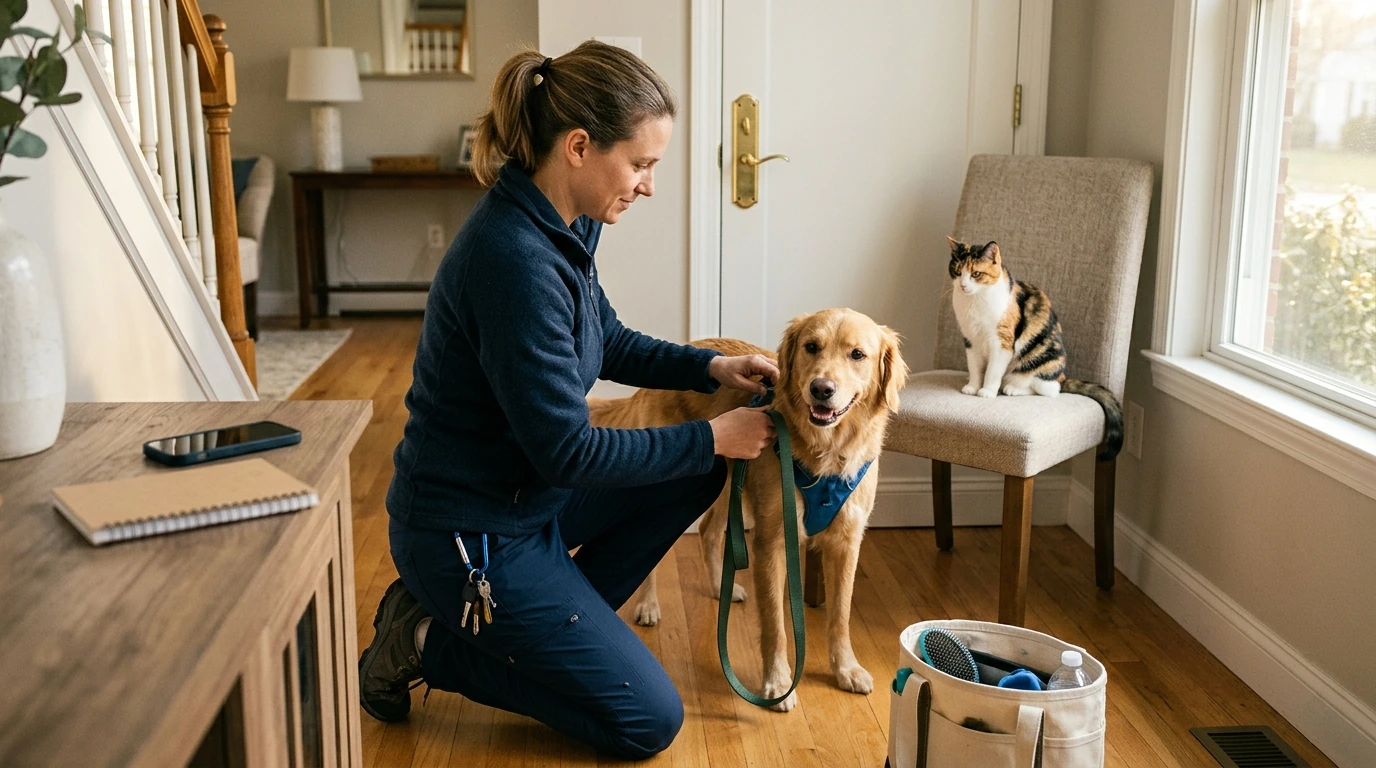
A pet sitting side hustle can start small—weekend drop-ins, after-work walks, and holiday coverage—then grow into steady, repeatable income. The key is setting clear services, pricing, and safety standards from day one so clients trust you with their animals and their home.
Decide What Kind of Pet Sitting You’ll Offer
Before you take your first booking, define what you do (and what you don’t). Clear boundaries help clients choose the right service quickly, and they help you avoid overcommitting when you’re juggling a day job.
- Choose your core services: drop-in visits, dog walking, overnight stays, house sitting with pet care, or boarding (only if your home setup supports it).
- Define your service area: set a travel radius and specific time windows you’re available (early mornings, lunch, evenings, weekends).
- Pick the pet types you’ll accept: dogs only, cats only, or include small animals—plus boundaries for high-needs pets.
- Write plain-English service descriptions: what’s included, visit length, and how updates are delivered (text, photos, videos).
Common Pet Sitting Services and When They Fit Best
| Service | Best for | Typical duration | Notes |
|---|---|---|---|
| Drop-in visit | Cats, dogs with a yard, feeding and potty breaks | 20–30 minutes | Great starter service with low time commitment |
| Dog walk | Dogs needing exercise while owners are away | 20–60 minutes | Requires leash skills and weather planning |
| Overnight stay | Pets that need companionship or medication routines | 8–12 hours | Clarify sleep expectations, house rules, and walk schedule |
| House sitting + pet care | Owners wanting home presence for security and routines | Varies | Define what counts as pet care vs. household tasks |
Set Up the Basics: Legal, Safety, and Client Trust
Pet sitting is personal: you’re handling a living animal and access to someone’s home. A simple, professional setup reduces misunderstandings and protects both sides.
- Name + structure: choose a simple business name, and decide whether to operate as a sole proprietor or form an LLC. The U.S. Small Business Administration explains the tradeoffs clearly.
- Local rules: check city/county requirements for licensing or animal-related regulations; confirm whether home boarding is restricted by your lease or municipal rules.
- Insurance and bonding: consider pet sitter insurance and bonding to cover accidents, injuries, or property damage—especially if you’ll do overnights.
- Client intake form: collect vet info, emergency contacts, allergies, bite history, medication instructions, and how you’ll access the home.
- Safety habits: always do a meet-and-greet before the first booking, confirm leash/harness fit, and use secure key handling.
For pet health basics and red flags that should trigger a vet call, keep a trusted reference handy like the American Veterinary Medical Association (AVMA) pet owner resources.
Price Your Services Without Guessing
Pricing gets easier when you stop thinking in “per visit” terms and start thinking in “time + travel + responsibility.” A 20-minute drop-in three miles away is not the same as a 20-minute drop-in across town during rush hour.
- Check real local ranges: scan pet sitting marketplaces and nearby independent sitters; note differences by neighborhood and visit length.
- Use a base rate + modifiers: additional pets, medication, holiday surcharge, extended travel, last-minute requests.
- Write a cancellation policy: keep it simple (24–48 hours notice) and easy to understand.
- Track time honestly: travel + visit + updates; make sure the math supports your target hourly earnings.
Pricing Framework You Can Customize
| Item | Base approach | Add-ons to consider |
|---|---|---|
| Drop-in visit | Set rate for 20–30 minutes | Extra pets, medication, longer visit |
| Dog walk | Set rate by walk length | Second dog, reactive-dog handling, bad-weather gear fee (optional) |
| Overnight | Flat nightly rate | Midday visit add-on, extended stay, holiday surcharge |
| Mileage/travel | Included within radius | Charge beyond radius or for multiple daily trips |
Create Simple Systems: Booking, Payments, and Updates
Systems are what make a side hustle feel manageable instead of chaotic. The goal is consistent client communication and fewer “Did I lock the door?” moments.
Market Locally: Get the First 5 Clients
If you want a step-by-step launch plan you can follow on busy weeks, consider How to Start a Pet Sitting Side Hustle from Scratch: Your Complete Guide to Launching a Pet Sitting Business.
Deliver a 5-Star Experience That Brings Repeat Bookings
To stay consistent (and motivated) as your client list grows, a simple tracking habit helps—try Creative Hobby Progress Tracker Ideas – Digital Ebook Guide to organize goals, routines, and progress in one place.
Plan Your Time So the Side Hustle Doesn’t Take Over
When it’s time to handle taxes, keep a reliable reference bookmarked like the IRS Self-Employed Individuals Tax Center.
Grow From Side Hustle to Steady Income
FAQ
How much can a pet sitting side hustle make per month?
Earnings depend on local rates, drive time, and how many bookings fit your schedule. As a simple example, 10 drop-ins a week plus one weekend overnight can add up to several hundred dollars monthly, and holidays can significantly increase totals. Track mileage, supplies, and fees so you’re measuring profit, not just deposits.
Do you need insurance to start pet sitting?
It may not be legally required everywhere, but it’s strongly recommended because it can protect you if a pet is injured, property is damaged, or keys are lost. Insurance and bonding also help clients feel comfortable hiring an independent sitter. If you do overnights or handle high-energy dogs, coverage becomes even more important.
What should be included in a pet sitting agreement?
Include the service details (what’s provided and for how long), rates and add-ons, and a clear cancellation policy. Add emergency vet authorization, medication instructions, home access/key handling procedures, and expectations for updates and photos. A short liability section helps clarify responsibilities if something unexpected happens.












Leave a comment