
Adding storage to a kids room works best when you combine a few “always-ready” drop zones with furniture that can grow with your child. The goal is to make cleanup fast, keep everyday items within reach, and store overflow out of sight—without shrinking play space.
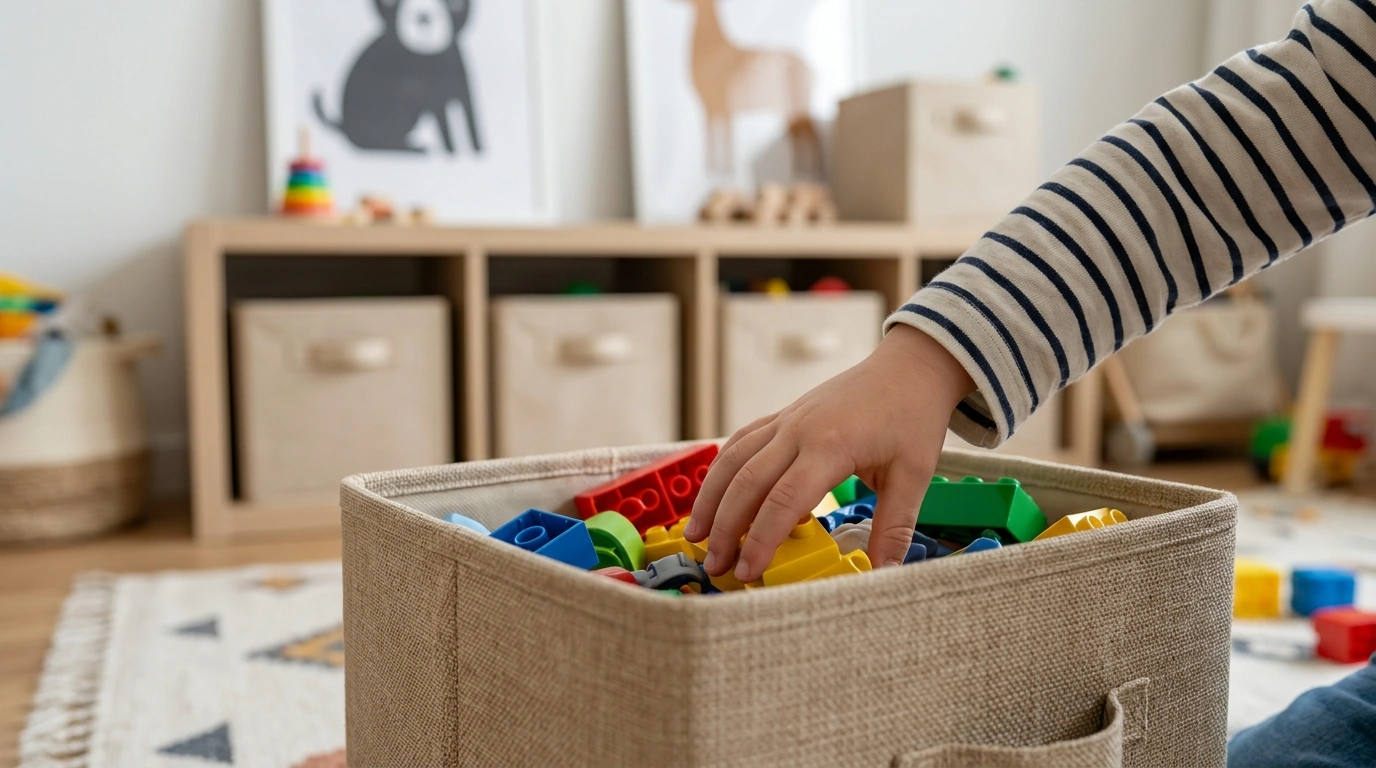
Divide the room into simple categories: toys, books, clothes, crafts, and “special” items. Give each category a dedicated home so your child can find things quickly and return them without help. Small bins for categories beat one giant container that turns into a rummage pile.
Wall-mounted shelves, peg rails, and over-the-door organizers add storage without stealing floor space. Put lightweight, frequently used items at kid height and reserve higher shelves for seasonal gear, puzzles with tiny pieces, or keepsakes. A door organizer can hold dolls, art supplies, socks, or dress-up accessories.
Look for a storage bench under a window, an ottoman that opens, or a bed with drawers. These pieces hide clutter while still serving as seating or sleep space. If you use open cubbies, add labeled bins so the room still looks calm even when toys are tossed in quickly.
Front-facing book ledges or narrow shelves keep books visible and easy to grab. Add one basket for library books or bedtime reads so they don’t migrate across the room.
Limit the number of bins, label with words or pictures, and rotate toys so only a portion is out at once. A simple weekly reset—five minutes with a hamper and a bin—prevents the storage system from getting overwhelmed.
For more room-by-room ideas and storage options, visit the main guide: How to add storage to kids room.
Use matching bins in a cubby unit and assign one category per bin. Labels (words or pictures) help kids put items back quickly, and lids hide visual clutter when you need the room to look tidy.









Leave a comment