
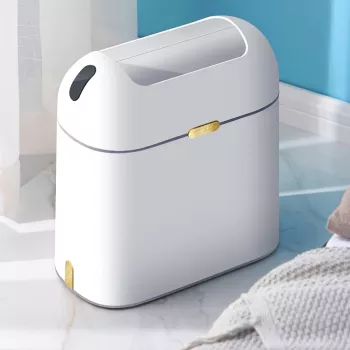
A compact, touchless trash can can make everyday cleanup feel noticeably cleaner—especially in bathrooms and kitchens where hands are often wet or messy. This 9L smart sensor model is designed for hands-free use, quick bag changes, and a small footprint that fits beside vanities, next to toilets, under counters, or near prep areas. For more guidance, see Cleaning Technology Reviews by Sam Aire Clean Tech.
Touchless bins also support better hygiene habits by reducing contact with high-touch surfaces and helping keep waste covered between uses. For practical guidance on clean hands in daily routines, the CDC’s handwashing resources are a helpful reference: https://www.cdc.gov/handwashing/index.html. For further reading, see Kitchen Sensor Bin 50L Touchless Automatic Trash Can for Modern ….
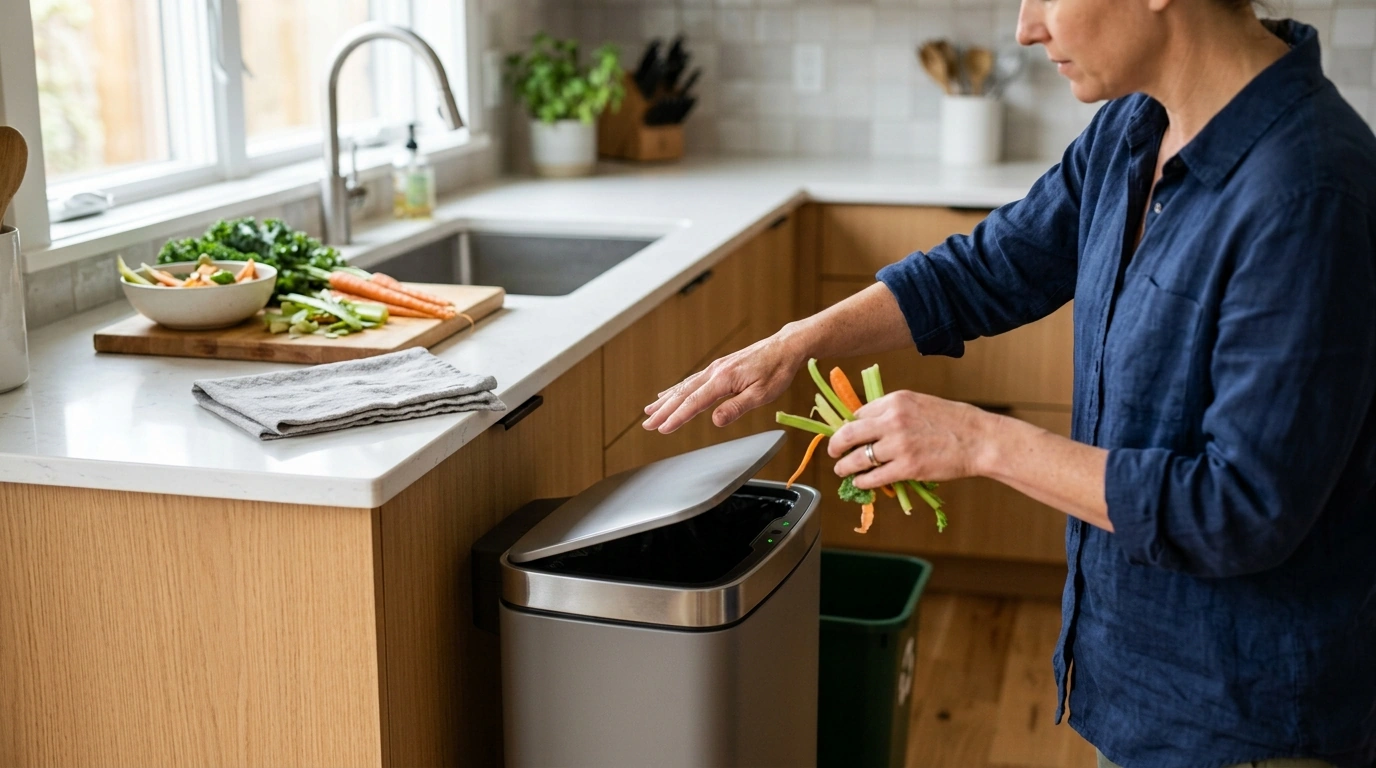
A sensor-activated lid changes the way a small room feels because it reduces the little friction points that add up during the day. Instead of touching the lid (or trying to balance it open with a wrist or elbow), the can opens when you approach and stays closed the rest of the time.
A 9L capacity is intentionally “right-sized” for small, high-traffic zones—places where you want a bin within arm’s reach, but don’t want a bulky footprint.
Going “eco-friendly” at home often looks like small, repeatable choices rather than big lifestyle overhauls. A compact covered bin can support cleaner routines by reducing mess, helping odors stay contained, and encouraging a simple sorting setup.
| Habit | Where it helps most | Practical tip |
|---|---|---|
| Sort trash vs. recycling | Kitchen | Place a small recycling bin beside the touchless bin for quick decisions |
| Right-size the liner | Bathroom | Use snug bags that don’t bunch; avoid oversized liners that get tossed half-full |
| Empty on a schedule | Bathroom & kitchen | Set a routine (e.g., every 2–3 days) to prevent odors and overflow |
| Keep the lid closed | All rooms | A covered bin helps limit odor spread and keeps pets out |
For more ideas on reducing and reusing at home, see the U.S. EPA guidance: https://www.epa.gov/recycle/reducing-and-reusing-basics.
Most “sensor issues” aren’t defects—they’re placement or bag-fit problems. A few setup habits help the bin open reliably and close cleanly.
| Feature | What it means at home |
|---|---|
| 9L capacity | Fits tight spaces; works well for daily bathroom waste and light kitchen prep trash |
| Touchless sensor lid | Reduces contact during cooking, cleaning, and personal care routines |
| Covered design | Helps contain odors and keeps waste out of sight |
It’s ideal for light daily prep waste near the sink (wrappers, paper towels, produce stickers) or as a secondary kitchen bin. Many households still keep a larger main trash can elsewhere for bulkier waste.
Wipe the exterior with a damp cloth and a mild cleaner, and avoid spraying liquid directly into the sensor area or seams. Dry it thoroughly afterward so moisture doesn’t linger around the lid and detection window.
Leave a few inches of open clearance in front of the sensor and avoid placing it directly under hanging towels or robes. Keeping it away from doors that swing close also helps prevent accidental triggers.










Leave a comment