
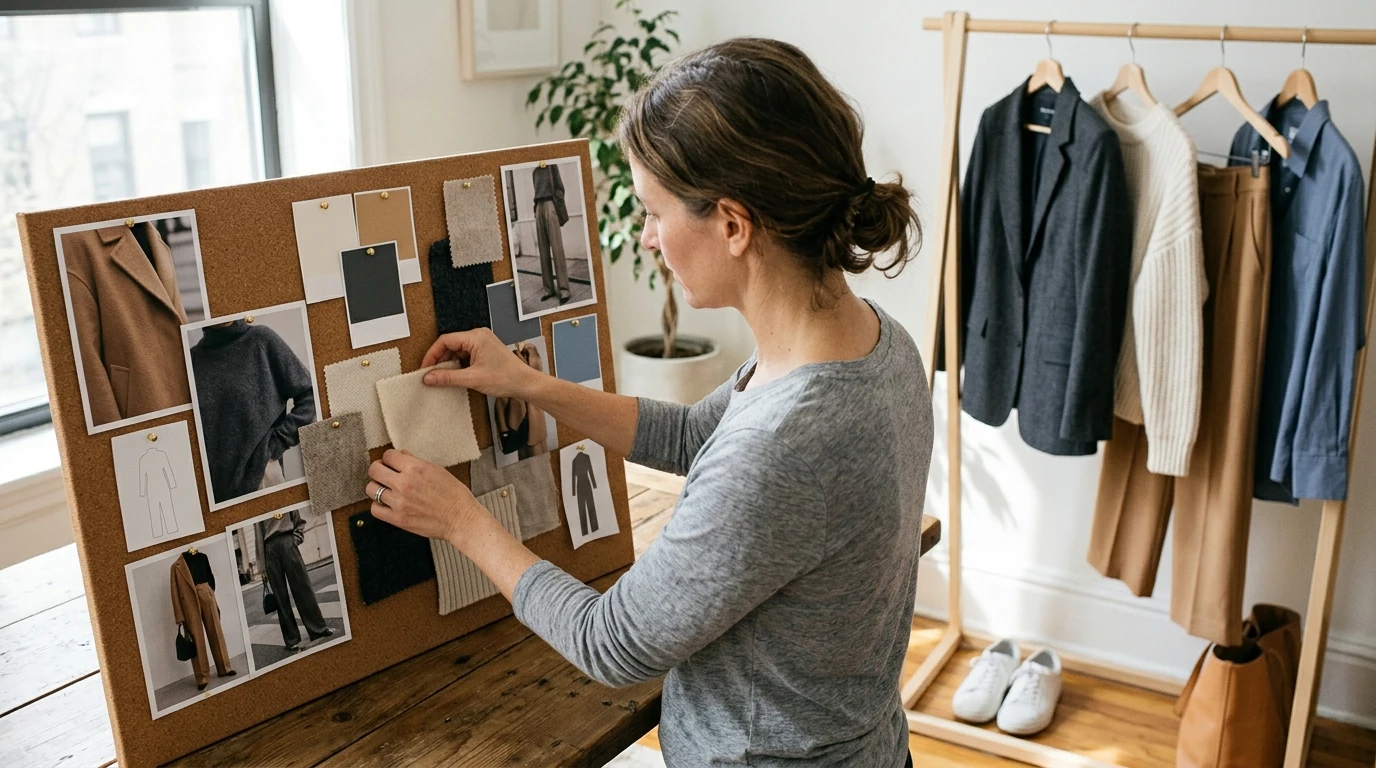
A fashion moodboard becomes truly useful when it captures patterns—colors, silhouettes, textures, and lifestyle cues—that consistently feel like “you.” Instead of saving random outfits that look great on someone else, an intentional board acts like a visual filter for getting dressed, shopping, and editing your closet. The goal isn’t perfection; it’s clarity you can actually wear. For more guidance, see Examining craft-education students’ conceptual design.
Before you save a single image, decide what your moodboard needs to do. A board meant to define your personal style will look different from one meant to plan a vacation wardrobe or refine a workwear uniform. For further reading, see Create a Fashion Mood Board: A Step-by-Step Guide.
If you want a structured, step-by-step template to build your board quickly, the digital guide Build Your Fashion Moodboard With Intention – A Guide to Creating a Personalized Fashion Moodboard is designed to turn inspiration into a plan you can reuse season after season.
Great moodboards pull from more than influencer outfits. When your sources are varied, your final style feels more original—and more connected to what you genuinely like.
Color is often the fastest way to see whether images belong together. If you want a quick refresher on how color affects perception and mood, Encyclopedia Britannica’s overview of the psychology of color is a helpful starting point.
This is the step that separates an “aesthetic collage” from a wearable style blueprint. You’re looking for what repeats, not what’s loudest.
| Moodboard element | What to look for | How to translate into outfits | Shopping filter |
|---|---|---|---|
| Color story | Dominant neutrals + 1–2 accent colors | Build a base outfit in neutrals; add one accent accessory | Buy within the palette; avoid random “one-off” colors |
| Silhouettes | Common proportions (cropped/long, fitted/oversized) | Create 2–3 repeatable outfit formulas | Only purchase items that fit chosen proportions |
| Textures & fabrics | Denim, leather, knits, linen, satin, tweed | Mix one texture piece into a simple look | Prioritize the fabrics that appear most |
| Accessories | Shoe shape, bag size, jewelry mood | Use accessories to reinforce the vibe quickly | Choose 1–2 “signature” accessory categories |
| Lifestyle cues | Work, errands, evenings, travel | Ensure formulas cover real weekly activities | Skip pieces that don’t match daily life |
The best format is the one you’ll actually use when you’re getting dressed or deciding whether to buy something.
Editing is where your moodboard becomes a practical tool instead of an endless scroll. Aim for a final board that looks like the same person across different days and occasions.
If you love tracking progress, capturing outfit wins, or keeping a consistent creative routine around personal style, Creative Hobby Progress Tracker Ideas – Digital Ebook Guide with Inspiring Hobby Progress Tracker Ideas for Motivation, Consistency & Growth can help turn your moodboard into a repeatable practice instead of a one-time project.
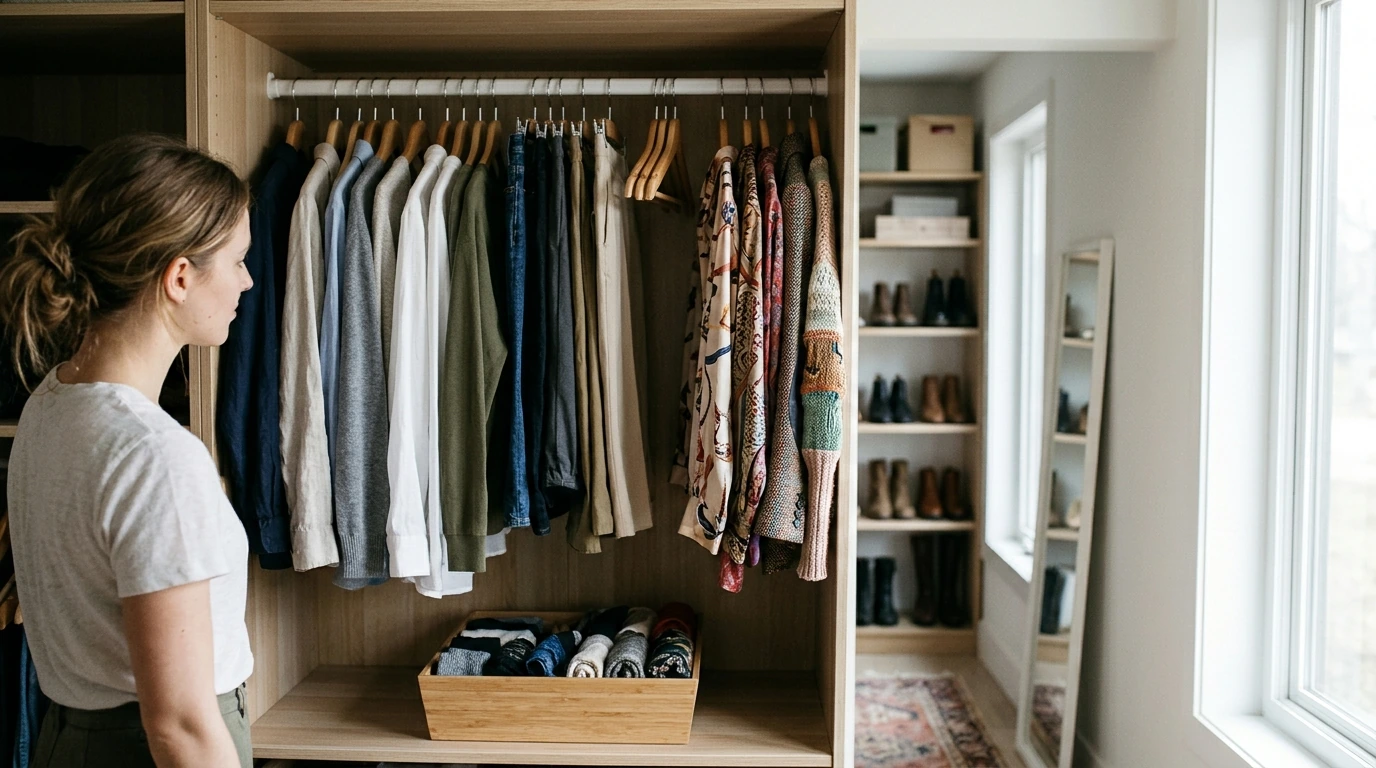
If you like the idea of a smaller, more cohesive wardrobe, the concept of a capsule wardrobe pairs naturally with moodboarding: fewer pieces, more combinations, and purchases that match your plan.
Aim for 40–80 images while collecting, then edit down to 12–25 for your final board. The editing phase is what reveals repeat patterns and makes the board easy to translate into outfits and purchases.
Create an “admire vs. wear” split, then rebuild the final board using only images that match your lifestyle constraints. Next, write 5–8 outfit formulas and narrow your direction to 3–5 style pillars that feel comfortable in real life.
Do a quick check monthly to remove what no longer feels accurate, then refresh more intentionally each season. Keep a stable core palette and pillars, and rotate fabrics or layers as weather and routines change.






Leave a comment