
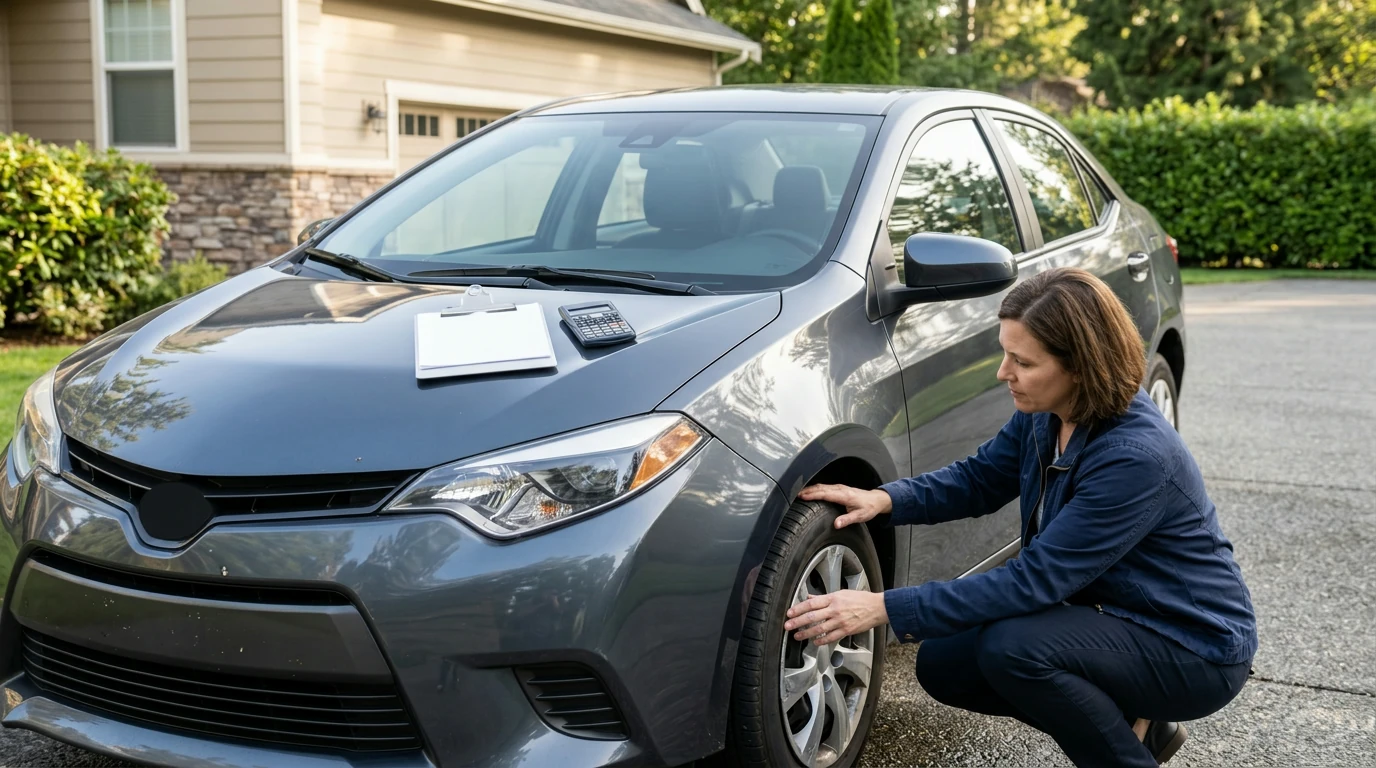
Ending a car lease early can feel straightforward until fees, mileage rules, wear charges, and payoff math collide. A smart approach is to map the exact termination route, collect the right documents, and calculate total cost before signing anything. The sections below break down the most common early-termination paths, the traps that raise costs, and a practical checklist to reduce surprises.
“Early lease termination” isn’t one single process. Depending on your contract and the lender (often a captive finance company tied to the brand, or a bank), ending early might mean returning the vehicle, buying it out, transferring the lease to someone else, or trading it in at a dealer.
Your lease agreement typically spells out an early termination charge and how remaining payments are handled. Importantly, some paths can still leave a balance due even after you hand the car back—especially if depreciation plus fees exceed the vehicle’s market value at the time you exit.
Before you do anything else, identify the timeline and baseline facts: months remaining, your current odometer vs. the allowed mileage, and who actually holds the lease. Those details determine which exit routes are available and what the payoff math will look like.
The “best” option depends on whether the car is worth more or less than the payoff, whether your contract allows transfers, and how close you are to excess mileage or wear charges.
| Option | Best for | Typical costs | Key risk to check |
|---|---|---|---|
| Return early to lessor | When other options aren’t possible | Early termination fee, remaining balance formula, wear/mileage, disposition | Owing a large balance after return |
| Buyout (keep or sell) | When market value is near/above payoff | Payoff amount, taxes/registration, possible fees | Third-party buyout restrictions; payoff quote expiration |
| Trade-in at dealer | When changing vehicles now | Payoff minus trade value, dealer fees | Negative equity rolled into new deal |
| Lease transfer | When lease is transferable and vehicle is in good shape | Transfer fee, possible credit check | Ongoing liability depending on contract |
| Refinance buyout | When keeping the car but needing lower payments | Loan interest, taxes/fees | Overpaying if car value is below payoff |
Return, buyout, trade, and transfer can all be “legitimate” endings. The difference is where the costs show up: an itemized final bill, a higher payoff than expected, or a new contract that quietly absorbs old debt.
Many drivers assume the payoff is simply the sum of the remaining monthly payments. In practice, payoff calculations can include fees, residual handling, and other contract-defined amounts, so the figure may not match a quick back-of-the-envelope total.
If you’re already near the mileage cap, every additional week of commuting can add meaningful per-mile costs. Track your odometer immediately and project where you’ll be on the exit date—especially if a return is still on the table.
Small wear items (tire tread depth, windshield chips, curb rash, dents) can trigger charges that feel avoidable in hindsight. A pre-return inspection—scheduled early enough to fix issues—often reduces the final bill.
A dealer trade-in can be convenient, but it can also hide negative equity (the payoff gap) inside a new loan or lease. A “low monthly payment” may simply stretch old debt across more months.
Payoff quotes can expire quickly, and taxes/fees can differ depending on whether you buy the car yourself or a dealer/third party buys it. Always request figures in writing and confirm the “good-through” date.
For general consumer guidance on auto leases and what to watch for in contracts, review the FTC’s leasing information and the CFPB’s auto loans and leases resources.
If you want a print-and-save version for calls with the lessor and dealer visits, use this internal download: Smart checklist for issues with ending a car lease early (digital download).
For an additional perspective on common exit routes and how they affect your finances, see Experian’s overview: how to get out of a car lease early.
Alongside the lease-exit checklist, some shoppers also use a separate planning download to track tasks and deadlines across multi-step decisions: Creative Hobby Progress Tracker Ideas – Digital Ebook Guide.
Ending early through an approved route (paying the payoff, completing a permitted transfer, or properly trading in with the lease paid off) is not automatically negative. Credit damage usually comes from missed payments, default, or voluntary surrender—so stay current and keep written confirmations.
Compare the payoff to the vehicle’s market value, then add return costs like wear, excess mileage, and disposition fees. Buyouts can look better when market value is close to or above payoff, but taxes/fees and buyout restrictions can change the math.
Yes—typically the dealer pays off the lease as part of the transaction. If your payoff is higher than the trade value, the gap becomes negative equity that may be rolled into the new contract, so review an itemized worksheet before signing.












Leave a comment