Hobby Progress Tracker Ideas to Stay Motivated & Improve

Creative Hobby Progress Tracker Ideas for Motivation, Consistency, and Growth
Progress tracking turns “someday” hobbies into routines that actually stick. The right tracker makes practice visible, reduces decision fatigue, and creates small wins that compound over time. Below are flexible, creative tracker formats—digital and paper-friendly—plus simple rules for choosing the best one for the hobby, schedule, and personality.
What a good progress tracker does (beyond counting days)
A useful tracker isn’t just a record—it’s a guide rail. The best ones make progress measurable (minutes, repetitions, finished pieces, or skill milestones) and make the next step obvious so it’s easier to start than to hesitate.
Great trackers also protect motivation by highlighting streaks, personal bests, and “I showed up” wins when results feel slow. They support consistency with gentle structure—small daily or weekly targets, reminders, and a simple routine for logging. Finally, they encourage reflection: a one-line note about what worked (or didn’t) often matters more than another data point.
That combination aligns with what behavior research emphasizes: clear goals and low-friction actions make follow-through more likely (see the APA’s overview of goal setting and the Stanford Behavior Design Lab’s Behavior Model).
Pick a tracking style that matches the hobby
Different hobbies “show progress” in different ways. Picking the right tracking style prevents the common trap of logging numbers that don’t actually reflect growth.
- Time-based trackers: best for practice-heavy hobbies (piano, language learning, drawing warmups). Track minutes and frequency.
- Output-based trackers: best for “make and finish” hobbies (knitting, writing, baking). Track finished items, drafts, or batches.
- Skill-based trackers: best for technique-driven hobbies (photography, calligraphy, fitness). Track mastered techniques and difficulty levels.
- Process trackers: best for long projects (quilts, novels, home DIY). Track stages like research → draft → revise → finalize.
- Mood/energy trackers: best when consistency depends on stress and energy (journaling, meditation, art). Track conditions that influence success.
If consistency is the main struggle, choose a tracker that rewards showing up. If the struggle is plateauing, choose a tracker that reveals what to practice next.
15 creative hobby progress tracker formats to keep things interesting
For a structured collection of tracker layouts and prompts you can reuse across hobbies, see Creative Hobby Progress Tracker Ideas – Digital Ebook Guide with Inspiring Hobby Progress Tracker Ideas for Motivation, Consistency & Growth.
Tracker ideas by hobby type (quick match table)
| Hobby goal | Best tracker type | What to measure | Low-friction tip |
|---|---|---|---|
| Learn an instrument | Time + skill ladder | Minutes practiced; songs mastered | Log right after practice while the instrument is still out |
| Write consistently | Output + streak map | Words/pages; writing days | Set a minimum (e.g., 50 words) to protect momentum |
| Draw/paint | Before/after gallery | Weekly studies; finished pieces | Snap a photo every Friday—same lighting if possible |
| Knitting/crochet | Project pipeline | Rows/sections completed; projects finished | Limit “In Progress” to avoid stalled WIPs |
| Photography | Theme weeks | Shoots completed; edits finished | One themed shoot per week beats sporadic big sessions |
| Fitness as a hobby | Two-metric scorecard | Workouts; reps/time or distance | Track the next session plan to reduce decision fatigue |
Make it motivating: rewards, milestones, and gamified rules
Keep goals adjustable—only increase difficulty after two consistent weeks. And don’t just track outcomes; track identity-based wins: showed up, finished, shared, improved. Those are four different achievements worth logging (a principle echoed in many habit-building resources, including James Clear’s work on habits).
Common tracking mistakes (and easy fixes)
A ready-to-use guide for building a tracker that fits
If you want plug-and-play layouts you can print or adapt digitally, Creative Hobby Progress Tracker Ideas – Digital Ebook Guide with Inspiring Hobby Progress Tracker Ideas for Motivation, Consistency & Growth is built for mix-and-match tracking: pick one tracker for consistency (streak/time) and one for growth (skills/projects).
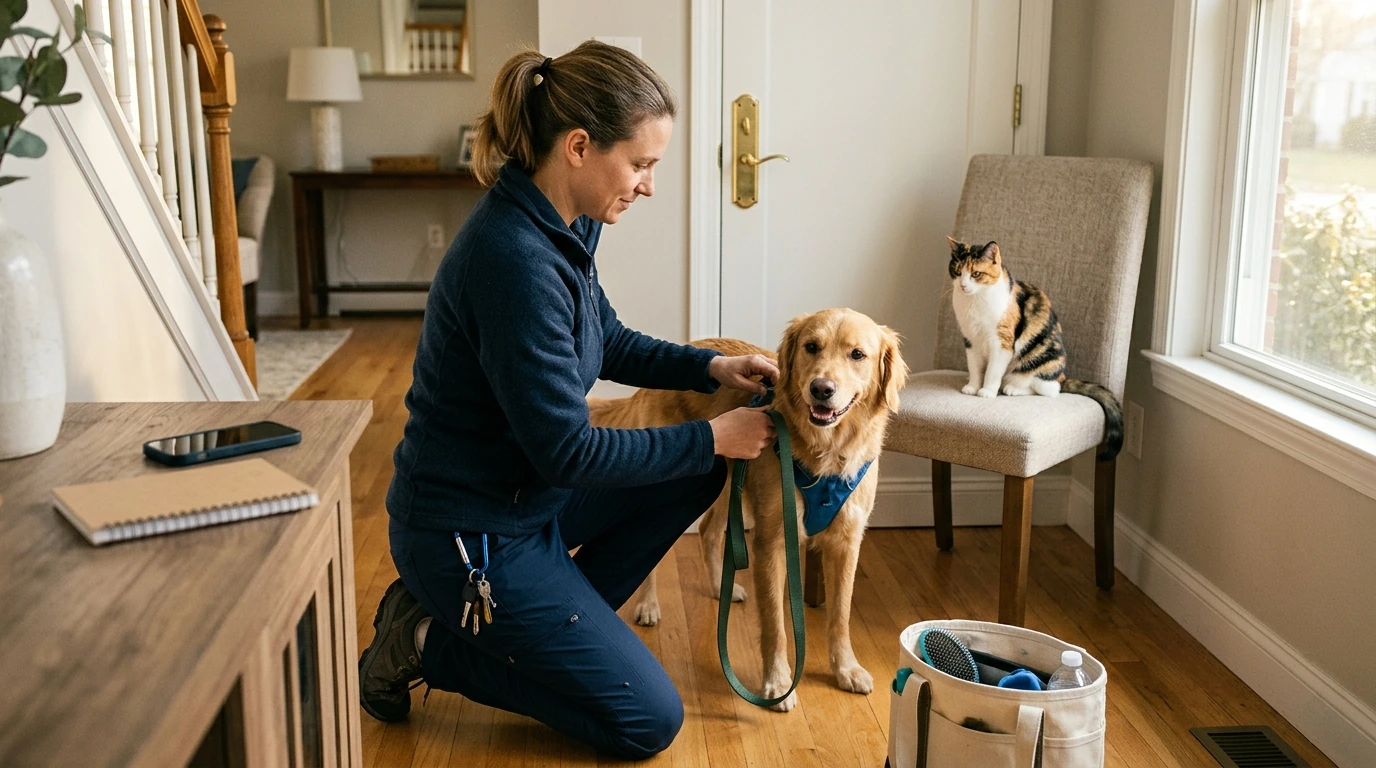
For hands-on creative hobbies, pairing a tracker with the right tools can make sessions easier to start. If nail art is your hobby, consider a higher-powered tool like the Professional 45000RPM Electric Nail Drill Machine with USB Charging and track technique milestones (bit control, speed settings, cleanup time). If your “hobby” is building a small service routine (like pet sitting), the How to Start a Pet Sitting Side Hustle from Scratch: Your Complete Guide to Launching a Pet Sitting Business pairs well with a process tracker (lead → meet-and-greet → booking → repeat client).
FAQ
What’s the easiest hobby progress tracker to start with?
Start with a simple streak calendar plus one metric (minutes, pages, reps). Keep logging under 30 seconds and define a minimum viable session so momentum survives busy days.
How do you track progress when results are slow or hard to see?
Use before/after snapshots (photos, audio, or short clips), a skill ladder, and an input metric like time or attempts. Add a weekly review to celebrate process wins and choose the next small skill to target.
Should a progress tracker be digital or paper?
Digital is convenient and fast; paper is more visible and satisfying to update. A practical hybrid is a quick digital log after each session plus a weekly paper review to reflect and plan.











Leave a comment