The Everyday Boot Upgrade: Suede Chelsea Boots with a Square Heel
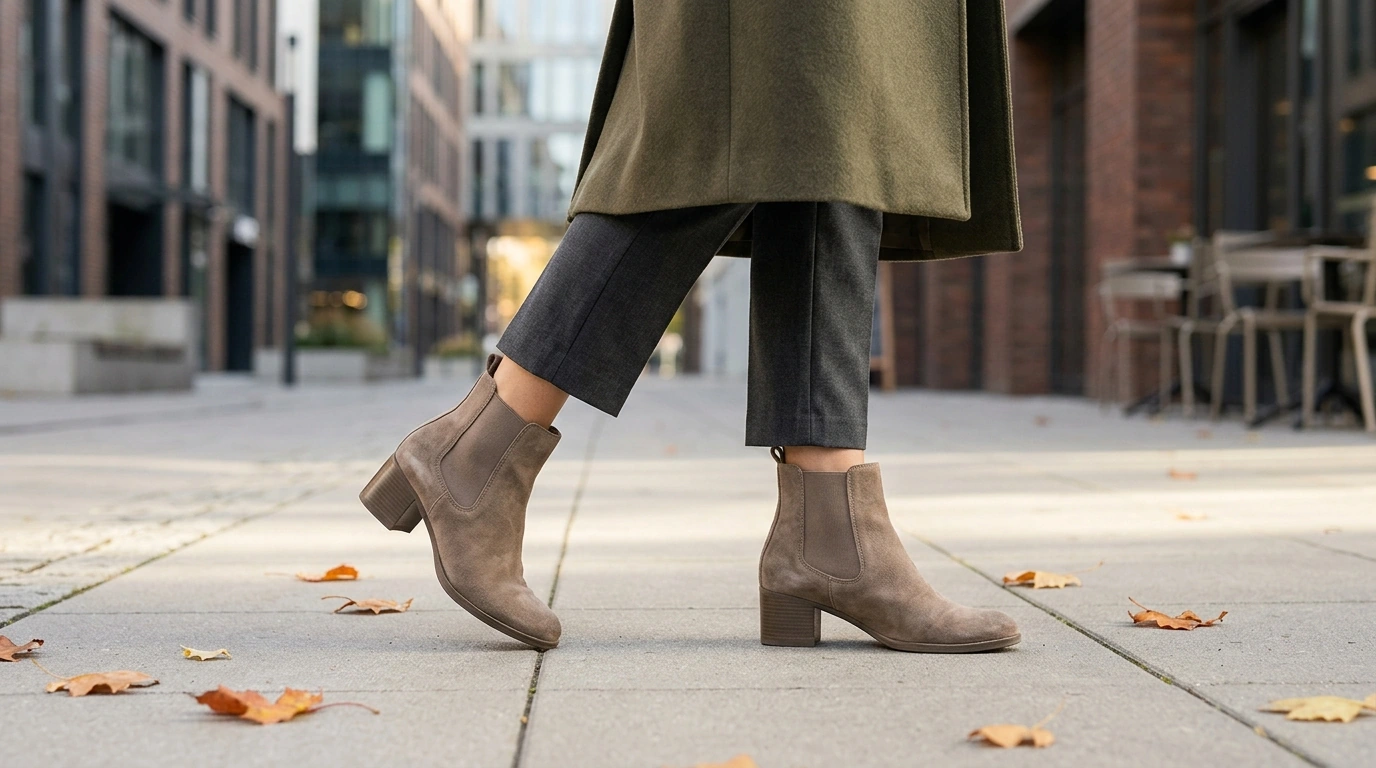
Suede Chelsea boots with a square heel hit that rare sweet spot: they look intentional, feel manageable, and slip on fast. The clean elastic-side silhouette stays polished, while the wider heel base adds confidence for commuting, travel days, and weekends that involve more walking than planned. Below are practical ways to shop smarter, style them across seasons, and keep suede looking fresh.
Why the Square-Heel Chelsea Boot Works So Well
- Streamlined Chelsea silhouette: Elastic side panels keep the profile sleek and make on/off easy—no fuss with laces or buckles.
- Square heel stability: A broader base often feels more secure than narrow heels, especially when you’re on your feet for long stretches.
- Suede texture adds depth: It elevates simple outfits—denim, knits, tailored trousers—without reading as overdressed.
- Ankle-height sweet spot: It plays well with cropped hems, straight-leg jeans, and midi skirts without cutting the leg line awkwardly.
- Season-spanning versatility: Ideal from early fall through spring when paired with smart weather habits and consistent care.
If you want a true “grab-and-go” boot that still looks refined, Women’s Suede Chelsea Boots with Square Heel are built around everyday wearability. The Chelsea construction supports natural foot movement as the day goes on, while the square heel gives a steadier stance for errands, office hours, and airport days.
How to Get the Right Fit (Without Overthinking It)
- Start with your typical boot size: Then adjust based on sock plans—thin everyday socks versus thicker winter pairs.
- Expect a little break-in: Mild heel slip can happen with new ankle boots and often reduces as the upper flexes. Excessive lift or rubbing usually signals a size or shape mismatch.
- Check toe room: Toes should lie flat with a bit of space in front. Avoid pressure along the sides, since suede can relax slightly over time.
- Do a real walk test indoors: Spend a few minutes walking on hard floors. Pay attention to arch comfort, ankle rub points, and whether your foot feels secure.
- If between sizes, decide based on socks: Size up for thicker socks, or choose the closer size and fine-tune with an insole for a snugger feel.
For general comfort and foot-health considerations, the American Podiatric Medical Association (APMA) offers helpful guidance on selecting supportive footwear.
Outfit Ideas: From Workdays to Weekends
- Clean casual: Straight-leg jeans, a tucked-in tee, and a long coat. Let the suede texture be the “interest” in the outfit.
- Office-ready: Ankle-length trousers with a fine-knit sweater and a structured bag. A square heel reads modern and composed without being precious.
- Feminine balance: A midi skirt with a fitted turtleneck. Keep the hem just above the boot shaft, or add tights when it’s chilly.
- Monochrome line: Match your boot tone with outerwear for a longer visual line—especially flattering with cropped pants.
- Travel uniform: Leggings or ponte pants with an oversized cardigan. The stable heel helps when you’re walking more than expected.
Suede Care That Keeps Them Looking New
- Protect first: Apply a suede protector spray before the first wear and reapply as needed—more often in wet or high-traffic seasons.
- Brush regularly: A suede brush lifts the nap and removes surface dust. Brush in one direction for a consistent finish.
- Spot clean quickly: If moisture hits, blot (don’t rub), let it dry naturally away from heat, then brush to restore texture.
- Handle scuffs: Use a suede eraser or clean crepe brush. For stubborn areas, light steam can help lift the nap before brushing.
- Store with structure: Use boot shapers or stuff with paper to hold the shaft shape, and keep them out of direct sun to reduce fading.
If you’re curious about broader material and supply-chain standards, the Leather Working Group provides an overview of programs used across the leather industry.
When to Wear Them (and When to Switch Shoes)
- Great for: Dry to mildly cool days, city walking, casual dinners, and smart-casual plans where sneakers feel too casual.
- Use extra protection for: Light rain or occasional damp sidewalks—prep with protector and allow full dry time after wear.
- Avoid for: Heavy rain, snow slush, or muddy conditions where suede stains and salt marks are more likely.
- Traction check: If sidewalks are slick, prioritize tread, take shorter steps, and consider grip pads for extra security.
- Rotate your footwear: Alternating pairs helps suede dry out fully and rebound, extending the life of both your boots and your insoles.
More In-Stock Finds to Round Out Your Routine
FAQ
Do suede Chelsea boots stretch over time?
They can relax slightly with wear, especially across the forefoot, and the elastic panels may ease a bit as they break in. They shouldn’t feel painfully tight at purchase—choose sizing based on your sock plan, and use an insole to fine-tune the fit if needed.
Can suede boots be worn in the rain?
Suede performs best in dry conditions; protector spray helps with light moisture but heavy rain can stain and stiffen the material. If they get wet, blot gently, air dry away from heat, then brush once fully dry to restore the nap.
How should suede Chelsea boots be cleaned at home?
Start by dry-brushing to remove dust, then use a suede eraser for spots and scuffs. If the nap looks flattened, brief light steam can help lift it before brushing again; test any cleaner on a hidden area first and reapply protector afterward.
Recommended for you












Leave a comment