
AI tools can turn everyday grocery shopping into a data-driven routine: plan meals around what’s already at home, build a store-specific list, compare prices automatically, and time purchases around discounts. The result is fewer impulse buys, less food waste, and more consistent savings—without spending hours coupon hunting.
Used well, AI acts like a calm “shopping ops manager” for your household. Instead of starting from cravings or aisle displays, you start from inventory, budget targets, and simple rules that reduce repeat purchases.
For food-safety timelines and smarter “use first” decisions, the USDA FoodKeeper App is a practical companion to any meal planning routine.
The goal is one reliable workflow, not a stack of apps. Keep it minimal so it still works on busy weeks.
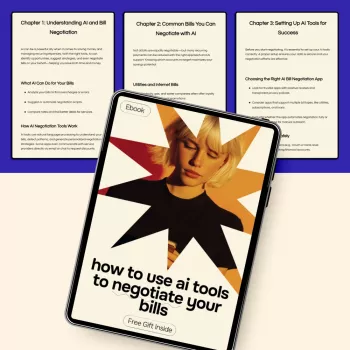
If you want ready-to-use templates and a guided setup that stays lightweight week after week, consider How to Use AI to Cut Your Grocery Bills: The Ultimate Guide to AI for Saving Money on Groceries, Smart Grocery Lists, and AI-Driven Discounts.
“Pantry-first” planning is where the fastest savings usually show up. Start with what’s at risk of being wasted, then back into the missing ingredients.
One simple rule improves results: cap “new ingredients” at 6–10 items total for the week. That pushes AI toward practical, repeatable meals instead of specialty one-offs that linger in the pantry.
Overbuying happens when lists are vague (“vegetables,” “snacks”) or when the same ingredient appears in three different recipes with mismatched quantities. AI helps by consolidating and standardizing.
Unit pricing is one of the most reliable “quiet wins” at the shelf. The Federal Trade Commission’s guide to unit pricing explains how to compare value across sizes and brands without guessing.
| Rule | What AI Does | How It Saves |
|---|---|---|
| Pantry-first planning | Builds meals from existing ingredients | Fewer new items purchased |
| Overlap ingredients | Reuses core ingredients across recipes | Lower waste and fewer specialty items |
| Substitution suggestions | Offers cheaper equivalents (store brand, frozen, bulk) | Maintains nutrition while reducing price |
| Aisle grouping | Organizes list by store layout | Less wandering and fewer impulse buys |
| Unit price preference | Highlights better value sizes | Avoids “cheap-looking” but costly options |
Discounts help most when they support the plan you already made. Otherwise, “savings” turns into extra spend and extra clutter.
When prices feel unpredictable, it helps to remember it’s not just personal—broad inflation and category swings show up in the Bureau of Labor Statistics CPI data. Your price triggers turn that reality into a simple yes/no decision at the shelf.
If waste is a recurring issue, pairing better planning with a cleaner kitchen workflow can help. A touchless bin like the 9L Smart Sensor Trash Can – Eco-Friendly, Touchless Waste Bin for Bathroom & Kitchen can make day-to-day prep and clean-up feel easier, which indirectly supports cooking at home more consistently.
Find the full workbook here: How to Use AI to Cut Your Grocery Bills: The Ultimate Guide to AI for Saving Money on Groceries, Smart Grocery Lists, and AI-Driven Discounts.
Start with pantry-first meal planning and a single shared grocery list. Once the routine is consistent for a few weeks, add deal matching and receipt tracking.
AI works best as a summarizer and matcher: it can compile promotions from store apps and compare them to your planned list and price thresholds. The best savings usually come from sticking to those thresholds rather than chasing every sale.
They prioritize perishables first, reuse overlapping ingredients across multiple meals, and add a “use-it-up” meal before the next shopping trip. That combination prevents forgotten produce and half-used specialty items.










Leave a comment