
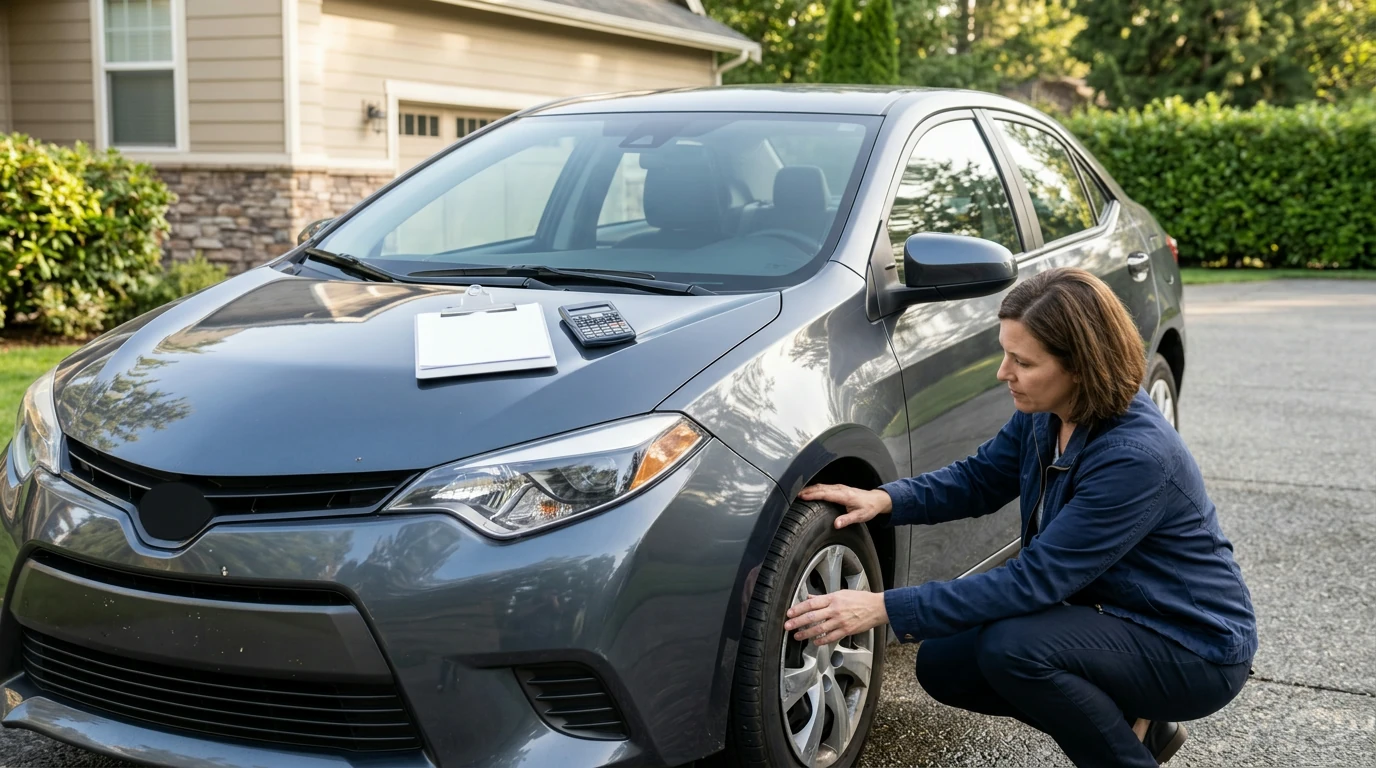
Ending a car lease early doesn’t automatically hurt your credit, but it can if the process leads to missed payments or an unpaid balance. Your credit score is influenced by payment history and whether the account ends in good standing—not by the simple fact that you chose to exit the lease before the scheduled term.
Credit problems usually show up when the lease company reports late payments, sends an unpaid balance to collections, or records a charge-off after termination. If you turn in the car and assume you’re “done,” but there’s still a remaining payoff, early termination fee, excess wear charge, or mileage overage, that unpaid amount can become delinquent and hurt your score.
If you keep paying on time and close the lease properly—by paying the termination payoff, buying the car, transferring the lease (if allowed), or trading it in with a dealer that fully satisfies the lessor—your credit impact is usually neutral to mildly positive. The account may show as closed/paid, and the key is that it’s closed with a zero balance and no late marks.
Ask the lessor for a written early termination quote and confirm exactly what’s included (remaining payments, residual value, disposition fee, taxes, and any credits for unearned rent charges). Also verify how and when the account will be reported to the credit bureaus once it’s satisfied. If you’re considering a trade-in or payoff math, the step-by-step checklist here helps you avoid surprises: ending a car lease early: fees, payoff math, and a checklist.
A lease transfer can minimize out-of-pocket costs if your contract allows it and the new driver qualifies. Trading in is faster, but you’ll want the dealer to show the payoff and confirm they’re fully paying the lessor so you don’t end up with a leftover balance.












Leave a comment