
HomeBlogBlogTrue Cost Example: One-Year EV Ownership Breakdown

True Cost Example: One-Year EV Ownership Breakdown

True Cost Example: One-Year EV Ownership Breakdown

What is an example of true cost?

Example: the true cost of owning an EV for one year (not just the sticker price)

A practical example of “true cost” is what you actually spend to own and use an electric vehicle over a set period—after you add the expenses that don’t show up on the window sticker. The purchase price is only one line item; the true cost includes the full mix of ongoing and one-time ownership costs.

Here’s an easy way to picture it: You buy an EV for $38,000. If you stop there, you’re missing most of the story. A true-cost view would include items like:

  • Depreciation: If the car is worth $32,000 after a year, the true cost includes that $6,000 value drop (even if you didn’t sell it).
  • Financing: Interest paid on an auto loan, plus any loan fees.
  • Energy: Home charging electricity costs, plus higher-priced public fast charging for road trips.
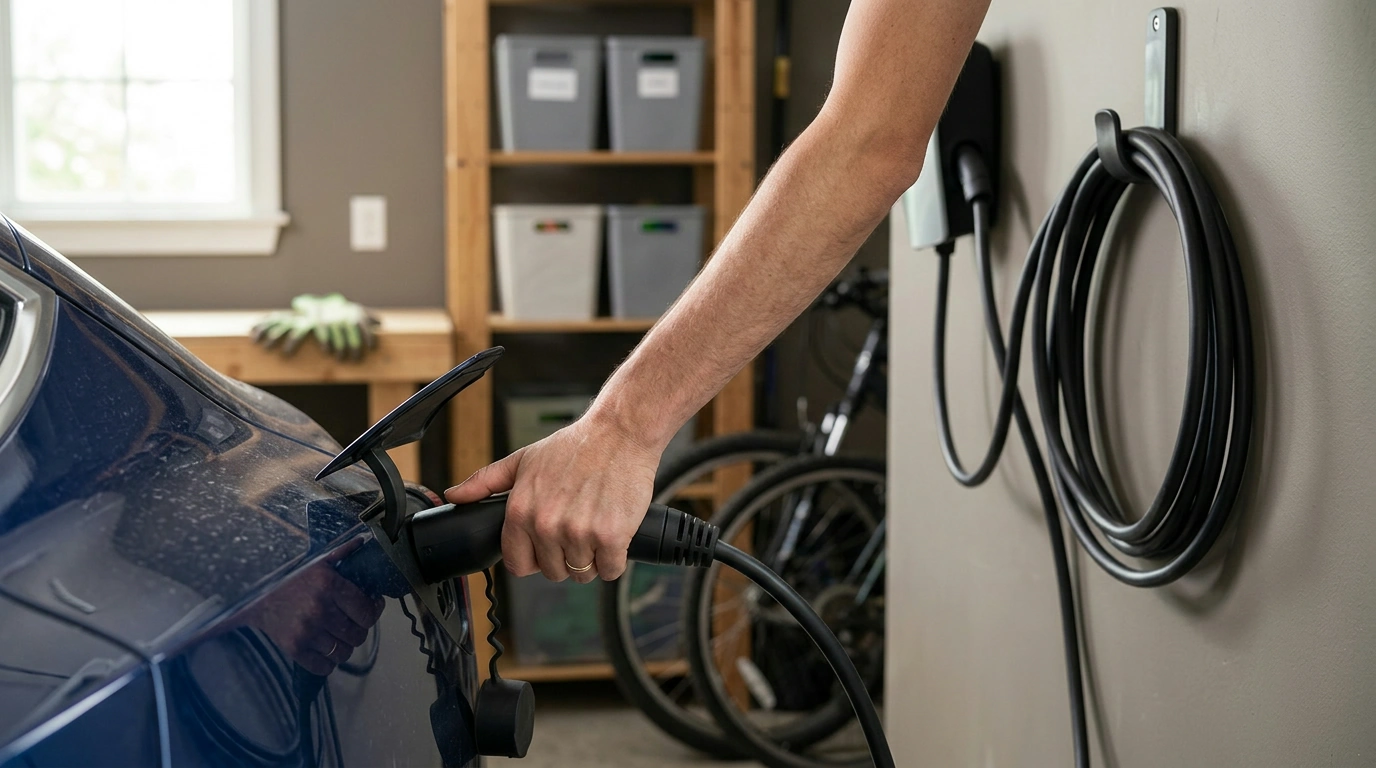
  • Charging setup: A Level 2 home charger and installation (often the surprise line item in year one).
  • Insurance: Premiums can differ from a gas car, especially if repair costs are higher.
  • Registration and taxes: Some states add EV fees that replace gas-tax contributions.
  • Maintenance and wear items: Tire replacement can come sooner due to vehicle weight and torque; cabin air filters, wipers, and brake service still exist even with regenerative braking.
  • Time and convenience costs: Not a bill, but extra time spent charging on trips can be a real “cost” when comparing options.

When you total those pieces, the true cost becomes a realistic budget number you can plan around—and a better comparison tool versus a gas vehicle or another EV.

For a step-by-step way to map these categories to your own driving habits, our team put together a detailed checklist and budget breakdown here: https://freshtrendshelf.com/guide-ev-ownership-costs-checklist-budget-breakdown/.

FAQ

What costs are easy to forget when budgeting for an electric car?

Commonly missed costs include home charger installation, higher-than-expected fast-charging prices on trips, EV-specific registration fees, and faster tire wear. Adding these to your plan helps you get closer to the true cost of ownership.

Was this article helpful?

Yes No
Leave a comment
Top

Shopping cart

×