
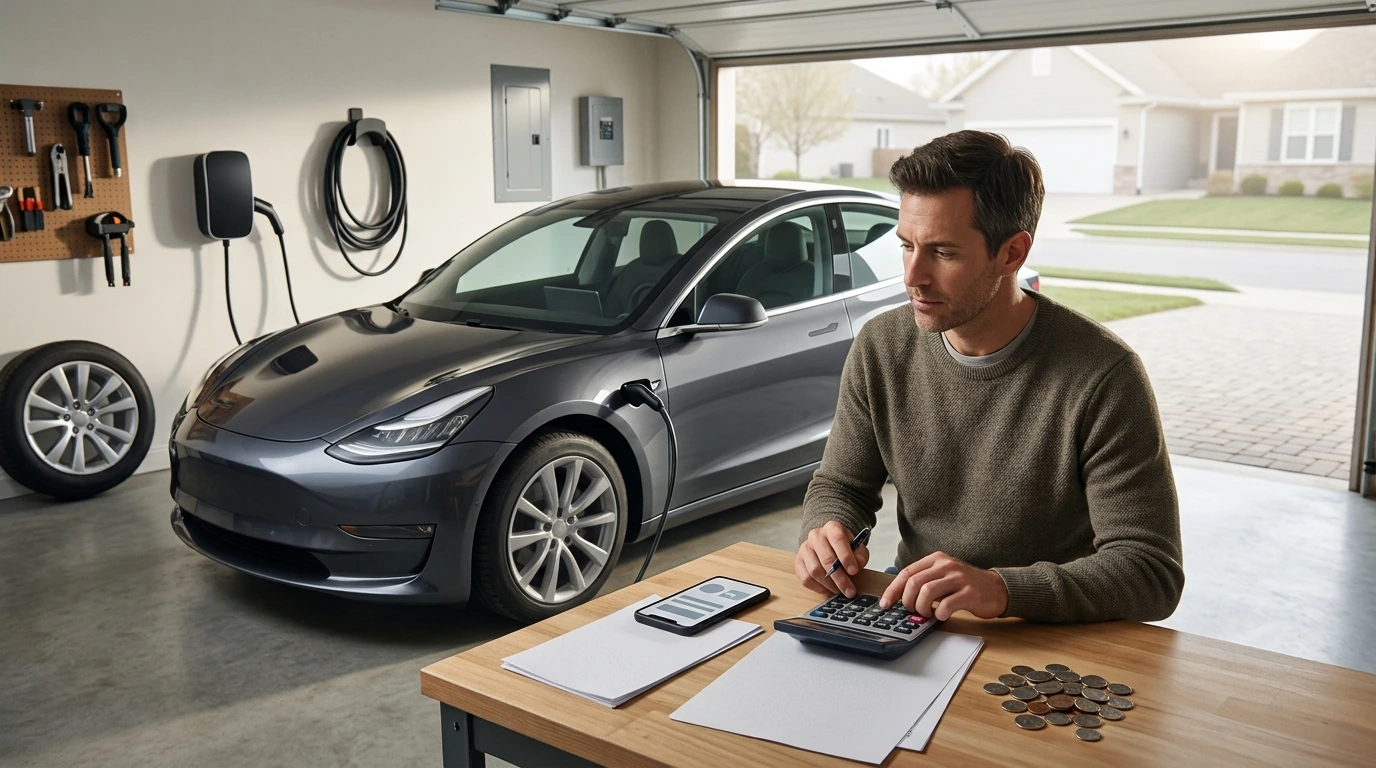
The true cost of something is the full, lifetime total of what you pay, use up, maintain, and risk—not just the price on the tag. Our team treats “true cost” as a practical budgeting tool: the real dollars that leave your wallet from the moment you buy through the moment you’re done owning, using, or replacing it.
This is the purchase price plus sales tax, shipping, setup, and any required accessories to make it usable on day one.
Think fuel or electricity, subscriptions, consumables, routine supplies, and the time or fees required to keep it working. For anything you use frequently, this category often outruns the upfront price.
Include scheduled service, replacement parts, wear items, and repair labor. Even “low-maintenance” items have predictable replacements, and skipping them can shorten lifespan and raise total cost.
Depending on what you’re buying, you may face registration, permits, insurance, inspections, or financing charges. These costs are easy to miss because they’re billed separately.
The true cost is reduced by what you can recover when you sell, trade in, or reuse the item. Also include disposal, recycling, or return shipping if it’s bulky or regulated.
Warranties, protection plans, downtime, and replacement costs matter when failure is expensive or inconvenient. A slightly higher upfront price can be cheaper if it lowers risk or extends service life.
A common blind spot is focusing on sticker price and ignoring energy, charging setup, insurance, and depreciation. If you’re comparing EVs and gas cars, our team put together a practical breakdown with a budget-friendly checklist you can use: EV ownership costs checklist and budget breakdown.
List each product’s upfront costs, annual operating costs, and expected maintenance over the same time period, then subtract estimated resale value. The lower total over your chosen timeframe is the better value, even if the sticker price is higher.











Leave a comment