
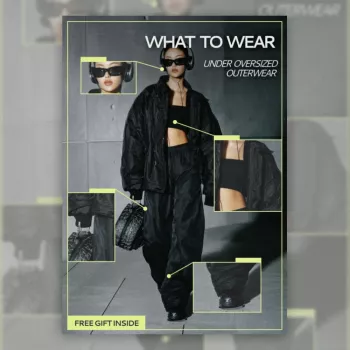
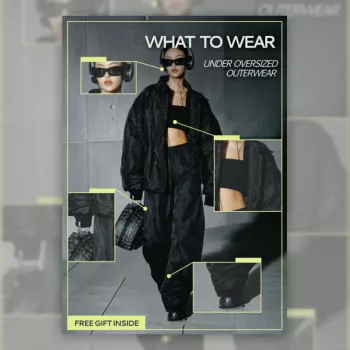
Oversized coats, puffers, bombers, and shackets can look intentional and polished when the layers underneath create shape and clean lines. The goal is simple: keep the inside streamlined, choose one area for volume, and use small proportion “anchors” (a fitted piece, a defined waist, or a structured shoe) so the outerwear reads as a style choice—not an accident. For more guidance, see Dress is a Fundamental Component of Person Perception – PMC.
If you like having a quick reference you can save to your phone, the What to Wear Under Oversized Outerwear Checklist | Easy Style Guide for Layering, Balance & Flattering Outfits is a fast way to make the same decisions in seconds when you’re rushing out the door. For further reading, see 10 Ways To Give Classic Clothes a Trendy Lift.
| Outerwear type | Best top underneath | Best bottom underneath | Quick finishing touch |
|---|---|---|---|
| Oversized puffer | Thin turtleneck or fitted long-sleeve | Straight jeans or leggings | Chunky boot for balance |
| Boxy wool coat | Fine-knit sweater or crisp button-down | Tapered trousers or slim denim | Belt bag or structured tote |
| Oversized blazer | Ribbed tank + lightweight knit | High-waist jeans or tailored pants | Pointed-toe flat/boot |
| Long trench (relaxed fit) | Layered tee + thin cardigan | Cigarette pants or midi skirt | Defined waist (belt or tucked top) |
| Shacket / oversized denim jacket | Hoodie or fitted crewneck | Leggings or straight jeans | Clean sneaker + beanie |
The base layer sets the “foundation line.” When it’s smooth and close to the body, the outerwear drapes better and looks more elevated (even if it’s a sporty puffer).
Fabric matters as much as fit. A thinner, smoother knit will slide under sleeves and keep the silhouette clean; a chunky yarn or high-friction fabric may grip and bunch. If you’re comparing materials, this overview of textile fibers is a helpful refresher on how different fibers behave.
Mid-layers are where outfits often go wrong: too many thick pieces turn an oversized coat into a stiff, overstuffed shell. Aim for one warmth booster that complements the coat.
When outerwear goes big, bottoms quietly do the “math” to keep proportions flattering. Most outfits look best when the lower half is either streamlined or intentionally wide—but not accidental.
Use one fitted anchor (either a slimmer top or a sleek bottom), keep the under-layers smooth, and add one point of definition like a tuck or a belt. Finish with a structured shoe so the volume looks intentional.
Yes—pair wide-leg pants with a cropped oversized jacket or a belted coat so the waistline stays visible. Keep the layer underneath fitted and choose a shoe with visual weight, like a boot or slightly chunky sneaker.
Avoid stacking multiple thick knits and hoodies, especially bulky hoods and heavy shoulder seams. A thin base layer plus a fine-knit sweater (or one light mid-layer) stays warmer and looks cleaner.








Leave a comment