
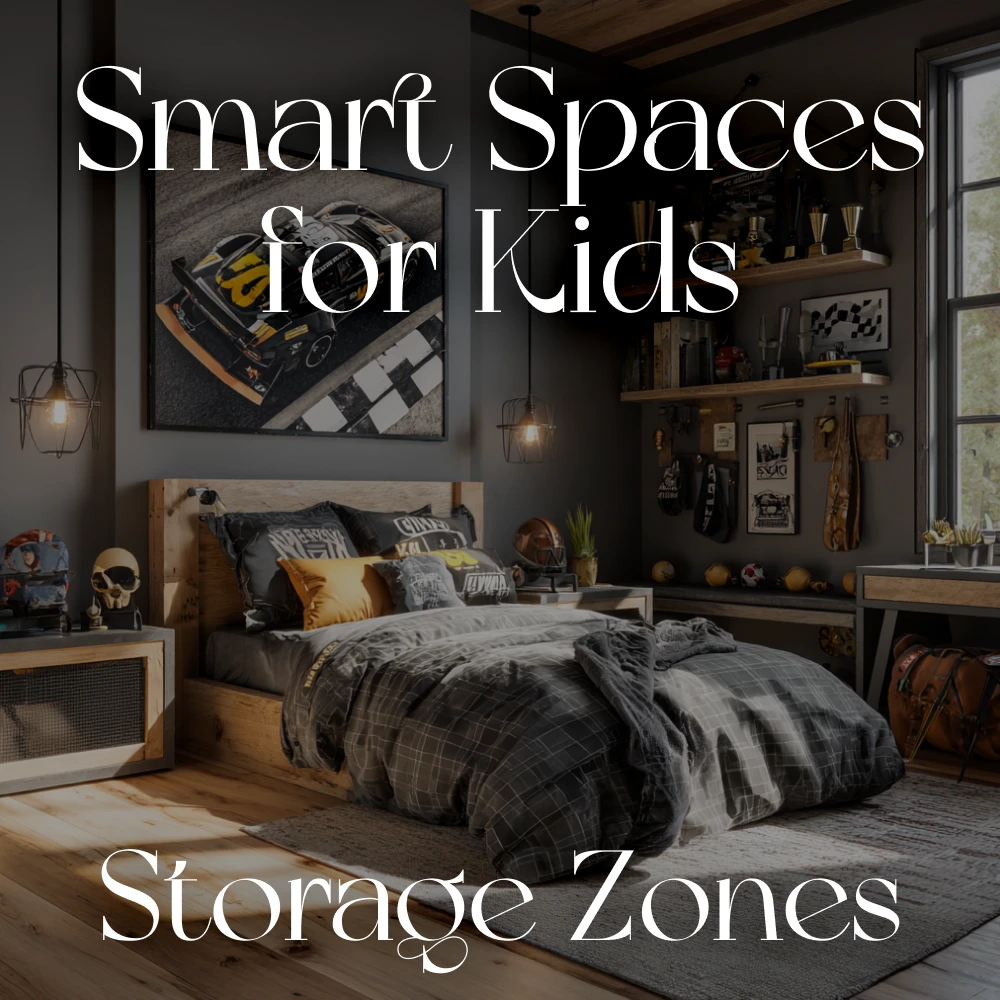
In a small room, the best storage makes use of overlooked space and keeps everyday items easy to reach. Start by deciding what needs to be stored, where it is used, and how often. Then choose a few solutions that fit the room instead of adding containers that become clutter themselves.
Look up: shelves, wall hooks, and over-the-door organizers can free up valuable floor space. Put frequently used items at eye level and reserve higher shelves for seasonal belongings or things used less often. In a bedroom, wall-mounted shelves can hold books and small bins without taking up space beside the bed.
Choose pieces that offer storage as well as a place to sit, sleep, or work. A storage ottoman can hold blankets, while a bed with drawers or low-profile bins underneath can make use of otherwise empty space. A desk with shelves or drawers may also reduce the need for a separate storage unit. Before buying, measure the furniture and check that drawers, doors, and walkways will still have room.
Add a second hanging rod for shorter clothes, shelf dividers to keep stacks upright, or small baskets to group accessories. Clear containers can help you see what is inside, while labels make it easier for everyone to put items back. Avoid filling every shelf to the edge; leaving a little breathing room makes storage easier to use and maintain.
Give frequently used belongings a designated home near where they are needed. A small tray by the entry can catch keys, and a labeled basket in a bedroom can collect toys or laundry. Keep only what fits the available storage comfortably, and regularly donate or recycle items that are no longer useful.
For practical ideas on dividing a child’s room into easy-to-maintain storage areas, see the guide to kid bedroom storage zones.
Keep surfaces mostly clear, group similar items together, and use closed bins for belongings that don’t need to stay on display. A quick daily reset can help return items to their designated spots.









Leave a comment